
Why finding the right person matters more than you might think
From Ben’s Desk | 402 Arts Collective
When parents begin searching for private music lessons, the first questions are usually pretty predictable.
How much does it cost? Where are you located? How long are the lessons? What instruments do you teach? How quickly will my child learn?
These are all perfectly reasonable questions. In fact, they're important questions.
But after years of working with students, families, and artist instructors at 402 Arts Collective, I've come to believe there's a much more important question that often gets overlooked:
Who is the person who will be teaching my child?
Not just what they know. Not just what degrees they have or how many years they've been teaching.
Who are they as a person?
Because learning music isn't simply about purchasing a service. It's about developing a relationship with someone who will help shape your artistic journey.
And that relationship matters more than most people realize.
You're Not Just Hiring a Teacher. You're Finding a Mentor.
One of the biggest mistakes I see parents and guardians make when looking for music lessons is focusing almost entirely on the services being provided.
They want to know what information will be taught, how quickly their student will progress, and what results they can expect.
I understand that. As parents, we want to know we're making a worthwhile investment.
But artistic development is deeply personal.
A great artist instructor isn't simply someone who disseminates information. They're someone who encourages curiosity, recognizes potential, builds confidence, and helps a student discover abilities they may not even know they possess.
That's a human-to-human connection.
And it's difficult to reduce that connection to a list of credentials or an hourly rate.
Finding the right partner in your pursuit of artistic growth is incredibly important. Don't minimize it.
Why We Encourage a Trial Lesson Before Making a Commitment
Over the years at 402 Arts Collective, we've seen what happens when the relationship between a student and instructor isn't quite right.
A family signs up for lessons. The student begins attending. Everything looks fine on paper.
But after a few weeks, we get a phone call.
"Hey, I don't think this is working out. My child just isn't connecting with the teacher."
That doesn't necessarily mean the teacher isn't qualified. And it certainly doesn't mean the student lacks potential.
Sometimes two perfectly wonderful people simply aren't a great match.
When that happens, our first instinct isn't to give up on the student. It's to help the family explore whether another artist instructor might be a better fit.
We're fortunate to work with a variety of artists who bring different personalities, experiences, values, and teaching styles to the table.
But ideally, we'd like to discover that compatibility before the family makes a significant commitment.
That's why I encourage families to begin with a trial lesson or an introductory meeting.
It's an opportunity for the student and artist instructor to get acquainted, discuss goals, and see whether there's a natural connection.
No unnecessary pressure. No expectation that everything needs to be figured out immediately.
Just two people getting to know each other.
What Should You Look for During a Trial Music Lesson?
This might surprise you, but one of the first things I look for is laughter.
Seriously.
Is the student smiling? Are they relaxed? Does the instructor seem approachable? Is there a little humor in the room?
There's something wonderful about seeing a student become comfortable enough to let their guard down.
Learning something new can be intimidating, especially for children. A good instructor knows how to create an environment where students feel comfortable making mistakes, asking questions, and trying again.
Of course, a lesson shouldn't be all fun and games.
There should also be a sense of direction. The instructor should be able to maintain focus, communicate clearly, and help the student understand what they're working toward.
It's that combination of enjoyment and purposeful instruction that I find particularly valuable.
On the other hand, if the lesson is filled with uncomfortable silences, confusion, or a student who doesn't understand what's being asked of them, that may be worth exploring.
It doesn't automatically mean the instructor is doing something wrong.
It may simply mean the personalities or communication styles aren't connecting.
And that's okay.
The whole point of a trial lesson is to discover those things early.
Should You Choose the Cheapest Music Lessons Near You?
Let's talk about money for a minute.
Here in the Midwest, we tend to be pretty practical people.
We want to know what we're getting before we spend our hard-earned money. I actually think that's a good thing.
But when it comes to music education, I encourage families to look beyond the price tag.
At 402 Arts Collective, we don't build our identity around being the cheapest option in town.
We strive to be a place where students receive meaningful instruction from talented, engaged, and well-supported artists.
That means taking care of our instructors, too.
We believe artists should be compensated fairly and generously for their time, experience, and professional practice.
Why?
Because we want our instructors to continue growing as artists themselves.
We want them performing, creating, learning, developing their craft, and bringing those experiences back into the teaching studio.
That ongoing artistic growth benefits the student.
So while affordability matters, I'd encourage families to consider the broader value of the relationship they're investing in.
A slightly lower lesson rate doesn't necessarily represent a better value if the student isn't connecting, growing, or enjoying the experience.
What If My Child Starts Music Lessons and Wants to Quit?
This is another concern I hear from parents.
"What if my child doesn't like it?"
"What if we invest in lessons and they want to quit after a month?"
Those are fair concerns.
But I think we sometimes approach artistic development with expectations that are a little too rigid.
At 402 Arts Collective, we've spent considerable time thinking about what we call the Comprehensive Guide to Talent Discovery.
It's our way of understanding the different stages students experience as they discover and develop artistic abilities.
And here's something I believe strongly:
It starts with fun.
Not technical perfection.
Not repetitive exercises.
Not mastering scales or developing advanced muscle memory on day one.
Fun.
Games. Exploration. Curiosity. Laughter. Discovery.
Those experiences create the foundation for everything that comes afterward.
Eventually, students move into the more repetitive aspects of learning an instrument. They develop technique, discipline, muscle memory, and the ability to practice intentionally.
Those things are absolutely necessary.
But if we begin by removing all the joy from the experience, we may never give the student a chance to discover why music is worth pursuing in the first place.
A good artist instructor understands that progression.
They know when to encourage, when to challenge, and when to let a student simply enjoy making music.
How to Find the Right Private Music Teacher in Omaha
If you're searching online for "music lessons near me" or "private music teachers in Omaha," my advice is to begin by learning about the actual people who might be teaching you or your child.
Don't stop at a price list or a catalog of instruments.
Read the instructors' biographies.
Look at their artistic backgrounds.
Learn what kinds of music they enjoy, what experiences they bring to the classroom, and what makes them unique.
At 402 Arts Collective, we provide artist instructor profiles organized by artistic discipline so families can begin exploring those connections before ever scheduling a lesson.
From there, reach out.
Ask questions.
Schedule a trial lesson or introductory meeting.
Give the student and instructor a chance to get acquainted before deciding whether to move forward.
You may discover a wonderful fit immediately. Or you may realize that another instructor would be a better match.
Either outcome is valuable.
The Right Teacher Can Make All the Difference
There are many talented music educators doing wonderful work in Omaha and throughout our community.
I don't believe there's only one right place to learn music, and I certainly don't believe every student needs the same kind of instructor.
Quite the opposite.
I believe the diversity of personalities, artistic backgrounds, and teaching approaches is one of the greatest strengths of arts education.
The key is finding the person who connects with you.
Someone who understands your goals, recognizes your potential, and genuinely enjoys helping you grow.
Because at the end of the day, music education isn't simply about learning notes, rhythms, or techniques.
It's about people.
It's about mentorship.
It's about discovering something meaningful within yourself, with the encouragement of someone who believes in what you can become.
Find the right person first. The music will follow.
Ready to Meet an Artist Instructor?
If you're exploring private music lessons in Omaha, we'd love to help you find the right fit.
At 402 Arts Collective, you can browse artist instructor profiles, explore different artistic disciplines, ask questions, and inquire about an introductory trial lesson.
Our goal isn't simply to get you signed up for lessons. It's to help you begin an artistic relationship that has the potential to grow into something meaningful.
Explore 402 Arts Collective and get to know our artists today.
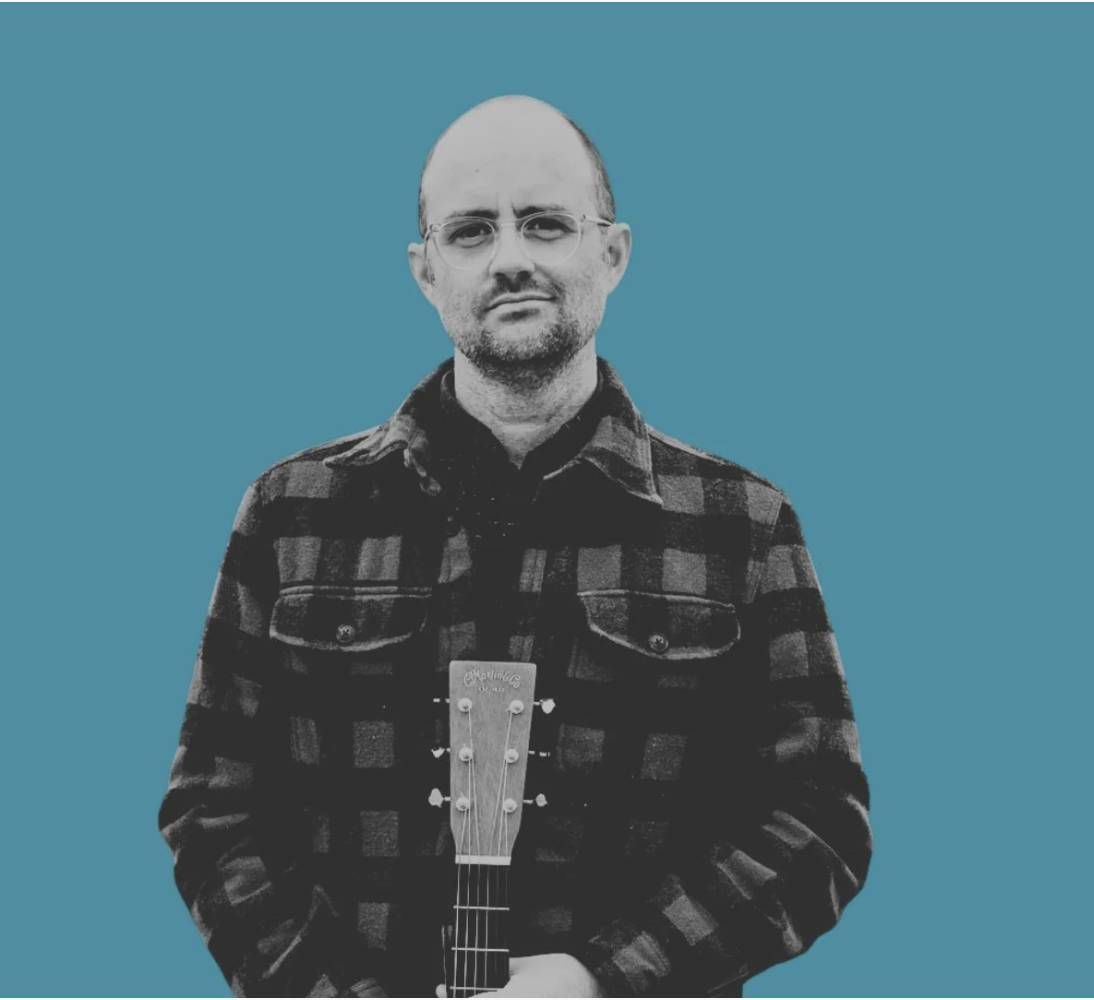
ABOUT THE AUTHOR
BEN Shafer
Co-Founder/Executive Director | 402 Arts Collective
Ben has served as the Executive Director of 402 Arts Collective for seventeen years since its inception in 2010.
