
Because We Were Never Meant to Do This Alone.
By Ben Shafer, Founder & Executive Director, 402 Arts Collective
I remember standing on a stage at a large music festival somewhere in the Midwest. It was nighttime. The lights were on, and a sea of people stretched out in front of me, waiting for our band to perform.
I stepped up to the microphone, looked out at the crowd, and had a strange realization.
I was done.
Not done with music. Not done with performing, necessarily. But something about that moment made me realize that what I had spent years pursuing wasn't fulfilling the deeper purpose I believed I had been given.
I had performed on stages across an eleven-state region. I had met incredible musicians, artists, and creative people. I had experienced the excitement of performing in front of large crowds.
But there was something missing.
We would roll into a town, set up our equipment, perform, pack everything up, and leave.
We were making music, but were we making a lasting difference?
Thousands of people might have known who I was, but I didn't know them. We had shared an experience, but we hadn't necessarily built a relationship.
And I began asking myself a question that would eventually change the direction of my life:
What if the greatest thing an artist could accomplish wasn't what happened on a stage, but what happened in the life of another person?
That question became the beginning of the 402 Arts Collective.
The Problem Was Never a Lack of Talent
Growing up in the Midwest, I had the privilege of meeting some extraordinary artists.
Musicians, painters, performers, songwriters, and creative thinkers who possessed remarkable gifts. People who had spent years developing their craft and had something meaningful to offer the world.
But I noticed something.
We had all these talented individuals doing their own thing, often working independently, pursuing their own opportunities, and trying to figure out how to make a living doing what they loved.
There wasn't necessarily a lack of talent.
There was a lack of connection.
I began wondering what would happen if we could bring these artists together around something greater than their individual careers.
What if we could build an environment where artists didn't have to figure everything out alone?
What if their talents could become tools for investing in the next generation?
What if we could create a sustainable community where artists were supported, students were inspired, and relationships became the foundation for something that lasted?
I wasn't initially thinking about starting a music school or an arts education organization.
I was thinking about building a community.
Education simply became one of the most practical ways to bring that vision to life.
And that's an important distinction.
The 402 Arts Collective wasn't created because Omaha needed another place to take piano lessons.
It was created because I believed the arts could become a powerful vehicle for connecting people, developing artists, and impacting lives.
Introducing the Collective Way
Over the years, we've developed a phrase that describes the philosophy behind what we're building.
We call it the Collective Way.
At its core, the Collective Way is a simple belief:
We accomplish more meaningful things when we work together for the benefit of others than when we pursue success exclusively for ourselves.
I believe something has gone wrong in how we often think about the arts.
We've created a culture that can place tremendous emphasis on individual achievement.
Become famous. Build your following. Sell your work. Get discovered. Make a name for yourself.
And there's nothing inherently wrong with success.
I want artists to succeed. I want them to make a living, develop their craft, and experience the rewards of their hard work.
But I don't believe individual success should be the ultimate purpose of artistic expression.
What if success were the byproduct of something more meaningful?
What if we measured an artist's impact not simply by the size of their audience, but by the lives they helped shape?
What if the question changed from "What can my talent do for me?" to "What can my talent do for someone else?"
That's the shift we're trying to encourage.
The Collective Way turns our attention outward.
It invites artists to leverage their gifts, experiences, knowledge, and passions to serve others.
And when enough people begin thinking that way, something remarkable happens.
You stop building an organization around individual personalities and start cultivating a community around a shared purpose.
We're Not Really Selling Lessons
This might sound strange coming from someone who leads an organization that provides hundreds of arts education opportunities.
But I've never wanted the 402 Arts Collective to be viewed simply as a place that sells lessons.
Because that's not really what we're offering.
We're creating opportunities for people to spend meaningful time with artists.
Think about that for a moment.
When a parent enrolls their child in piano lessons, they're not simply purchasing thirty minutes of musical instruction.
They're introducing their child to someone who has spent years developing a passion, overcoming challenges, learning discipline, and discovering the joy of artistic expression.
That artist has the opportunity to become something much more than a teacher.
They can become a mentor.
Someone who encourages a student when they're struggling.
Someone who recognizes potential that a student hasn't yet discovered.
Someone who demonstrates what perseverance looks like.
Someone who helps a young person understand that their creativity has value.
Of course, we want our students to become excellent musicians, visual artists, and performers.
But technical excellence is only part of the equation.
The relationships developed along the way can have a much greater impact.
And after seventeen years of doing this work, I've seen that truth demonstrated over and over again.
When Students Become Teachers
One of the most fulfilling experiences I've had through the 402 Arts Collective is watching students come full circle.
We've had children walk through our doors, begin studying an art form, and spend years learning from one of our artist instructors.
Eventually, those students graduate.
They move on to college, careers, families, and whatever opportunities life brings their way.
But something incredible has happened along the way.
Some of those students have returned.
Not to take lessons.
To become artist instructors themselves.
Think about what that represents.
A young person was impacted so deeply by an artist who invested in their life that they eventually decided to do the same thing for someone else.
The student became the mentor.
The recipient became the giver.
And the impact of that original relationship began multiplying into another generation.
That's the Collective Way in action.
It's not something you can adequately measure through enrollment numbers, revenue reports, or social media engagement.
It's the kind of impact that unfolds over decades.
And to me, it's one of the greatest indicators that what we're building actually matters.
Seventeen Years of Learning What Not to Do
I wish I could tell you that building the 402 Arts Collective has been a perfectly executed plan.
It hasn't.
In fact, one of the most expensive lessons I've learned is that there are far more good ideas than any organization can realistically pursue.
Especially when you're surrounded by creative people.
Artists are idea people. We dream. We imagine possibilities. We see opportunities where others might see limitations.
That's one of our greatest strengths.
But it can also become one of our greatest weaknesses.
In the early years, we tried to do too much.
We pursued programs, opportunities, and initiatives because they sounded exciting or seemed like something we could accomplish.
Some worked.
Others failed.
And some cost us valuable time, energy, and resources that we could have invested elsewhere.
Over the years, I've come to understand that knowing what you won't do is just as important as knowing what you will do.
Focus matters.
Sustainability matters.
And a compelling idea isn't necessarily the right idea for your organization.
We're still learning these lessons.
But I've become increasingly convinced that the goal isn't to build the biggest arts organization possible.
It's to cultivate the healthiest, most impactful community we can.
There's a difference.
I'd Rather Grow a Garden Than Build a City
I've often thought about the kind of organization I want the 402 Arts Collective to become.
And the image that comes to mind isn't a massive corporation or an impressive institutional empire.
It's a garden.
A garden grows organically.
It requires attention, patience, care, and intentional cultivation.
Different plants grow at different rates. Some need more attention than others. Some flourish in one environment while others require something entirely different.
But when everything is properly nurtured, the garden becomes something beautiful.
That's how I think about our community of artists.
We're not trying to manufacture success.
We're trying to create the conditions where people can flourish.
Where artists have opportunities to develop sustainable careers.
Where students have access to meaningful relationships and excellent instruction.
Where families feel connected to something bigger than a weekly appointment.
Where people with different gifts and experiences contribute to a common purpose.
And where the organization exists to support the people, rather than the people existing to support the organization.
That's the kind of growth I'm interested in.
Not simply getting bigger.
Getting healthier. Growing deeper. Becoming more connected.
The Personal Conviction Behind the Mission
People sometimes ask how my Christian faith influences the 402 Arts Collective.
For me, the answer is deeply personal.
My faith in Jesus has fundamentally shaped how I understand my purpose and responsibility toward others.
Left to my own tendencies, I know how easily I can become self-centered, pursuing my own ambitions, accomplishments, and interests.
But the example of Jesus continually challenges me to look beyond myself.
To serve.
To give.
To consider the needs of others.
Because Jesus served us first.
That conviction is a major reason I wanted to build something like the 402 Arts Collective.
I don't believe an organization needs to impose a particular spiritual identity on the people it serves for its leaders to be motivated by deeply held personal convictions.
Our community includes people from different backgrounds, experiences, and perspectives.
And that's a wonderful thing.
My personal faith motivates me to build a place where people are valued, encouraged, supported, and challenged to use their gifts for the benefit of others.
It's not about making everyone believe what I believe.
It's about allowing what I believe to shape how I serve.
And I hope that commitment is evident in the way we treat people and the opportunities we create.
What If Omaha Became an Example?
When I think about the future of the 402 Arts Collective, I don't simply imagine more students, more programs, or larger facilities.
I imagine something much bigger than that.
I imagine Omaha becoming an example of what can happen when a community intentionally supports its artists and empowers them to invest in others.
What if other cities began asking how they could create similar environments?
What if communities across the Midwest developed their own collectives of artists working together to inspire the next generation?
What if we could help change the way artists are supported, the way arts education is delivered, and the way creative careers are sustained?
I believe that's possible.
But it requires us to rethink some of our assumptions.
We don't necessarily need more artists competing for the same opportunities.
We need more artists creating opportunities together.
We don't simply need more programs.
We need stronger relationships.
We don't need to convince every young person to become a professional artist.
We need to help young people discover the value of creativity, expression, discipline, and community.
And we need to recognize that investing in artists isn't simply an investment in the arts.
It's an investment in the people those artists will influence for generations to come.
That's the kind of long-term impact I want to see.
So, Why the 402 Arts Collective?
Because I believe we were created to work together.
Not alone.
Especially in the arts.
Art has always had a remarkable ability to bring people together. It connects generations, crosses cultural boundaries, communicates what words sometimes cannot, and gives us opportunities to understand one another.
But I believe its greatest potential is realized when we stop viewing it exclusively as something to produce, perform, or consume.
And start recognizing it as something we can use to serve.
Seventeen years ago, I began imagining what it might look like to bring a community of artists together around that simple idea.
Today, I'm still asking that question.
We're certainly not finished.
We've made mistakes. We've learned difficult lessons. We've experienced challenges, celebrated successes, and watched incredible stories unfold.
But the purpose remains the same.
Impacting lives through the arts.
Not because we're trying to become the biggest or most successful arts organization in the country.
But because we believe that when artists work together, invest in relationships, and use their gifts to serve others, they can create something far more meaningful than anything they could accomplish alone.
And that's something worth building.
There's a Place for You in This Story
The 402 Arts Collective isn't simply an organization to observe from the outside.
It's a community to participate in.
Whether you're a parent looking for meaningful opportunities for your child, an artist searching for ways to share your gifts, a community leader interested in strengthening the arts, or someone who simply believes in investing in the next generation, there's a place for you.
We invite you to do three things.
Support. Engage. Serve.
Support the people and programs that make this work possible.
Engage with the artists, students, families, and creative opportunities within our community.
And find ways to serve others through the gifts, resources, relationships, and experiences you've been given.
Because ultimately, the 402 Arts Collective isn't about any one artist, any one program, or any one person.
It's about what becomes possible when we choose to work together.
And I believe we're just beginning to discover what that can look like.
Learn more about the 402 Arts Collective at 402artscollective.org.
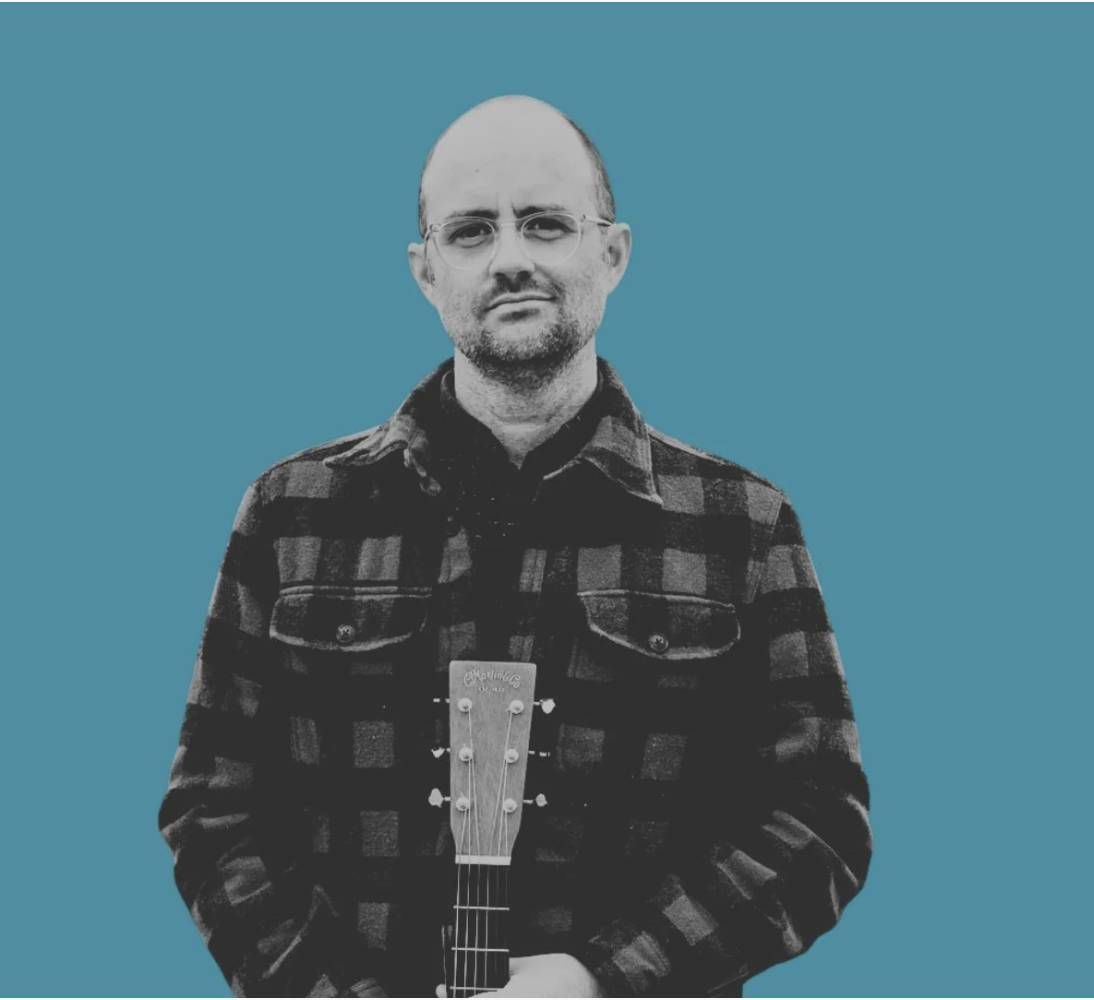
ABOUT THE AUTHOR
BEN Shafer
Co-Founder/Executive Director | 402 Arts Collective
Ben Shafer is the Founder and Executive Director of the 402 Arts Collective, an Omaha-based nonprofit dedicated to impacting lives through the arts. For more than 17 years, Ben has worked to bring artists, students, and communities together through arts education, mentorship, and creative collaboration.
